


The Drama and The Receipts
Festivalgoers and online commentators began voicing concerns that the core focus of the event—historically rooted in Black American culture, particularly that of the Deep South—felt actively “diluted” and even “eroded.” The frustration centered on what many perceived as an overemphasis on Pan-African inclusion, which some Black American attendees felt was inadvertently sidelining their specific culture and lineage.
The criticism quickly exploded online:
- The Accusation: Tweets and comments accused the festival’s shift in focus of being a form of cultural co-option—a failure to honor the heritage of the descendants of American slavery who historically built the event.
- The Retort: This was met with immediate and harsh counter-accusations of xenophobia against the Black American community. The opposing side argued that any space dedicated to Black people must be inclusive of the entire diaspora.
- The Root of the Conflict: Beyond the surface arguments, the painful reaction from Black Americans was rooted in a profound cultural trauma—a history where identity was stripped by enslavement. When some African voices appeared to dismiss Black American cultural identity as “lacking depth,” it struck a sensitive nerve, turning the debate instantly volatile.
Why This Hits Different
- Identity Crisis in Real-Time: The controversy forced a conversation about the practical limits of Black unity. It showed that while we strive for diaspora unity, deep-seated tensions and cultural misunderstandings persist. The argument became about who gets to define the culture in a space dedicated to Black celebration.
- Leadership Under Pressure: The festival’s leadership, including its owner and CEO, faced intense scrutiny. Reports that the CEO was taking a leave of absence and lacked insight into the programming only fueled the narrative that the festival was fundamentally disconnected from the concerns of its foundational audience.
- The Unifying Takeaway: This August mess was the ultimate vibe check on the community. It confirmed that while unity is the goal, the reality is that the healing and reconciliation between different parts of the Black diaspora still require massive, intentional work.
Final Word
The noise of Essence Fest 2025 has faded, but the echoes of this divisive debate remain a crucial lesson. The festival, intended as a safe space for cultural affirmation, became a public arena for our deepest cultural insecurities. The takeaway isn’t that unity is impossible, but that true unity must be built on mutual recognition and respect—a deliberate acknowledgment of every heritage, especially those won through blood and centuries of resistance. Moving forward, the only way to genuinely celebrate the entire diaspora is to ensure that the unique story of the Black American experience is not merely included, but is profoundly centered.
The Drama: Essence Fest Was Supposed to Be Joyful, But It Ended In Public Conflict
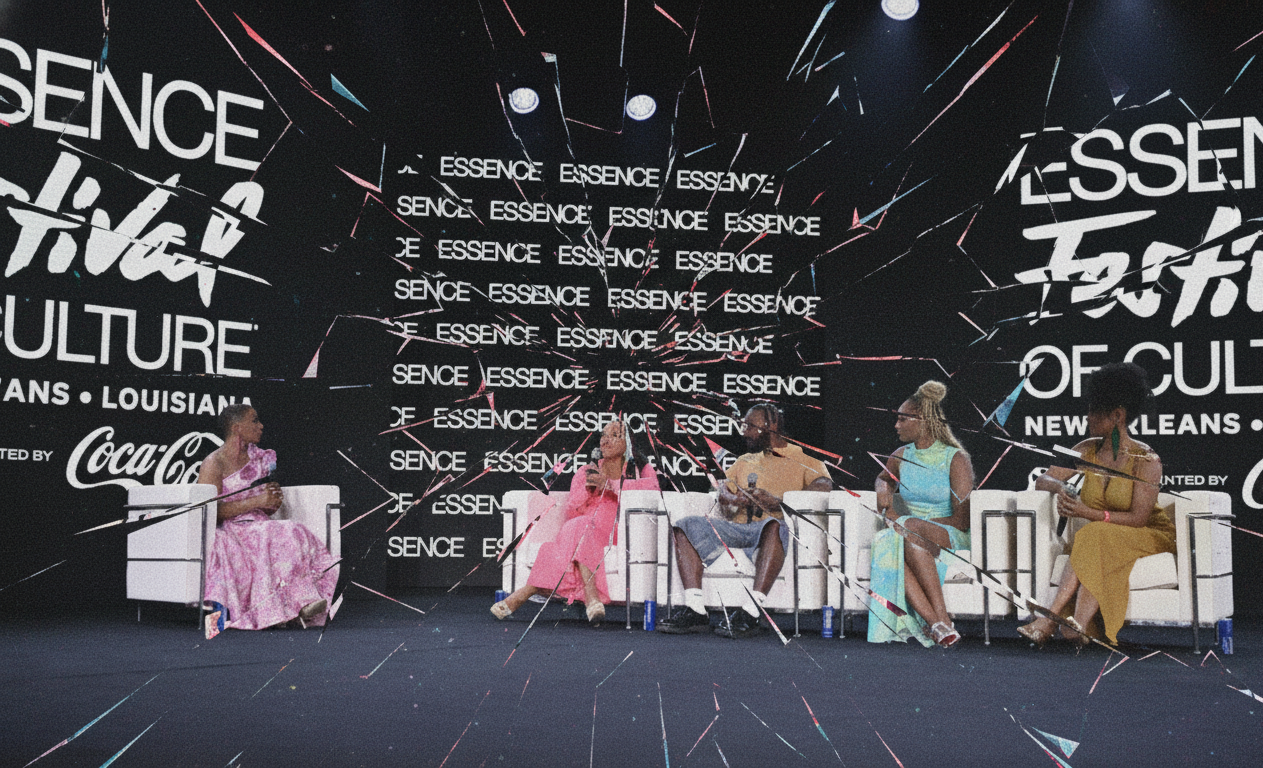
The Essence Festival of Culture 2025, celebrating its 31st year in New Orleans this August, was intended to be a massive celebration of Blackness. However, the event and its aftermath ignited a massive, public debate across social media about xenophobia and the very definition of Black cultural space.
The Essence Festival of Culture 2025, which took over New Orleans this August, was meant to be a joyous, multi-day celebration of Black life and achievement. But instead of focusing on the concerts and empowering speakers, the festival’s aftermath was dominated by a painful, toxic public war on social media—a fierce debate about xenophobia and whose Blackness truly defines the culture.
The Drama and The Receipts
Festivalgoers and online commentators began voicing concerns that the core focus of the event—historically rooted in Black American culture, particularly that of the Deep South—felt actively “diluted” and even “eroded.” The frustration centered on what many perceived as an overemphasis on Pan-African inclusion, which some Black American attendees felt was inadvertently sidelining their specific culture and lineage.
The criticism quickly exploded online:
- The Accusation: Tweets and comments accused the festival’s shift in focus of being a form of cultural co-option—a failure to honor the heritage of the descendants of American slavery who historically built the event.
- The Retort: This was met with immediate and harsh counter-accusations of xenophobia against the Black American community. The opposing side argued that any space dedicated to Black people must be inclusive of the entire diaspora.
- The Root of the Conflict: Beyond the surface arguments, the painful reaction from Black Americans was rooted in a profound cultural trauma—a history where identity was stripped by enslavement. When some African voices appeared to dismiss Black American cultural identity as “lacking depth,” it struck a sensitive nerve, turning the debate instantly volatile.
Why This Hits Different
- Identity Crisis in Real-Time: The controversy forced a conversation about the practical limits of Black unity. It showed that while we strive for diaspora unity, deep-seated tensions and cultural misunderstandings persist. The argument became about who gets to define the culture in a space dedicated to Black celebration.
- Leadership Under Pressure: The festival’s leadership, including its owner and CEO, faced intense scrutiny. Reports that the CEO was taking a leave of absence and lacked insight into the programming only fueled the narrative that the festival was fundamentally disconnected from the concerns of its foundational audience.
- The Unifying Takeaway: This August mess was the ultimate vibe check on the community. It confirmed that while unity is the goal, the reality is that the healing and reconciliation between different parts of the Black diaspora still require massive, intentional work.
Final Word
The noise of Essence Fest 2025 has faded, but the echoes of this divisive debate remain a crucial lesson. The festival, intended as a safe space for cultural affirmation, became a public arena for our deepest cultural insecurities. The takeaway isn’t that unity is impossible, but that true unity must be built on mutual recognition and respect—a deliberate acknowledgment of every heritage, especially those won through blood and centuries of resistance. Moving forward, the only way to genuinely celebrate the entire diaspora is to ensure that the unique story of the Black American experience is not merely included, but is profoundly centered.







Leave a Reply