


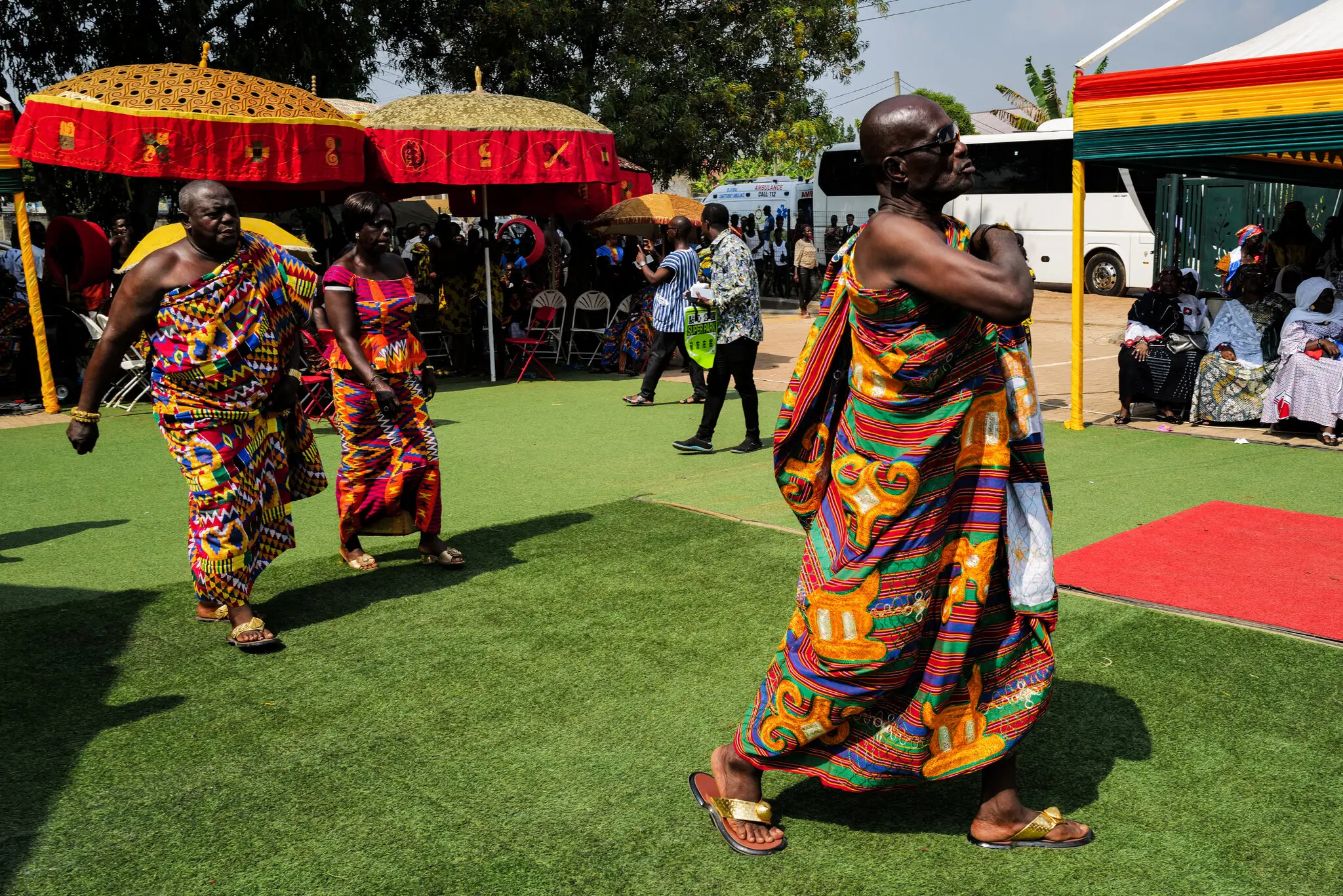
The vibrant threads of Kente cloth, a fabric deeply rooted in the history of the Ashanti, Akan, and Ewe people of Ghana, are more than just a pattern—it’s a living symbol of wealth, royalty, and Black identity. While its cultural significance has spread across the diaspora, so have the cheap imitations.
Now, Ghana is making a power move to protect its heritage and clap back at the copycats.
Last month, the Ghanaian government announced a major win: Kente has officially received geographical indication (GI) status through the World Intellectual Property Organization (WIPO), an arm of the United Nations. This protection is a serious boundary set for the culture, ensuring that only Kente cloth woven in Ghana is recognized as the authentic tradition. The goal is to safeguard local artisans, their mastery, and the integrity of the textile’s heritage.
⚖️ The Balance of Culture and Cash
This GI status is similar to a trademark, but according to Susan Scafidi, founder of the Fashion Law Institute, enforcing it will require both public pressure and the full backing of the government.
“It is a complicated matter that does raise the question of how we balance the fluidity of culture and the joy of cultural interchange with recognizing origin and authorship at that collective level,” Scafidi told The New York Times.
Historically sacred and reserved for royalty, Kente’s popularity has boomed globally, especially in the US, showing up on graduation stoles, bags, and apparel. British-Ghanaian designer Daniel-Yaw Miller says this reflects the deep desire of Black Americans to reconnect with African roots.
“It’s a way to signify a connection to the motherland even in the absence of specific, direct relations back there,” Yaw-Miller explained.
The fight for authenticity isn’t new. After the 2020 protests, US politicians wearing Kente cloth faced backlash, sparking a wider conversation about cultural appropriation.
As Kente keeps gaining global popularity, establishing this geographical indication is essential. Scafidi notes it will help ensure that local Ghanaian artisans finally receive both the cultural acknowledgment and the financial rewards that come from the widespread demand for their ancestral craft. This move is about respect, heritage, and securing the bag for the creators.







Leave a Reply