


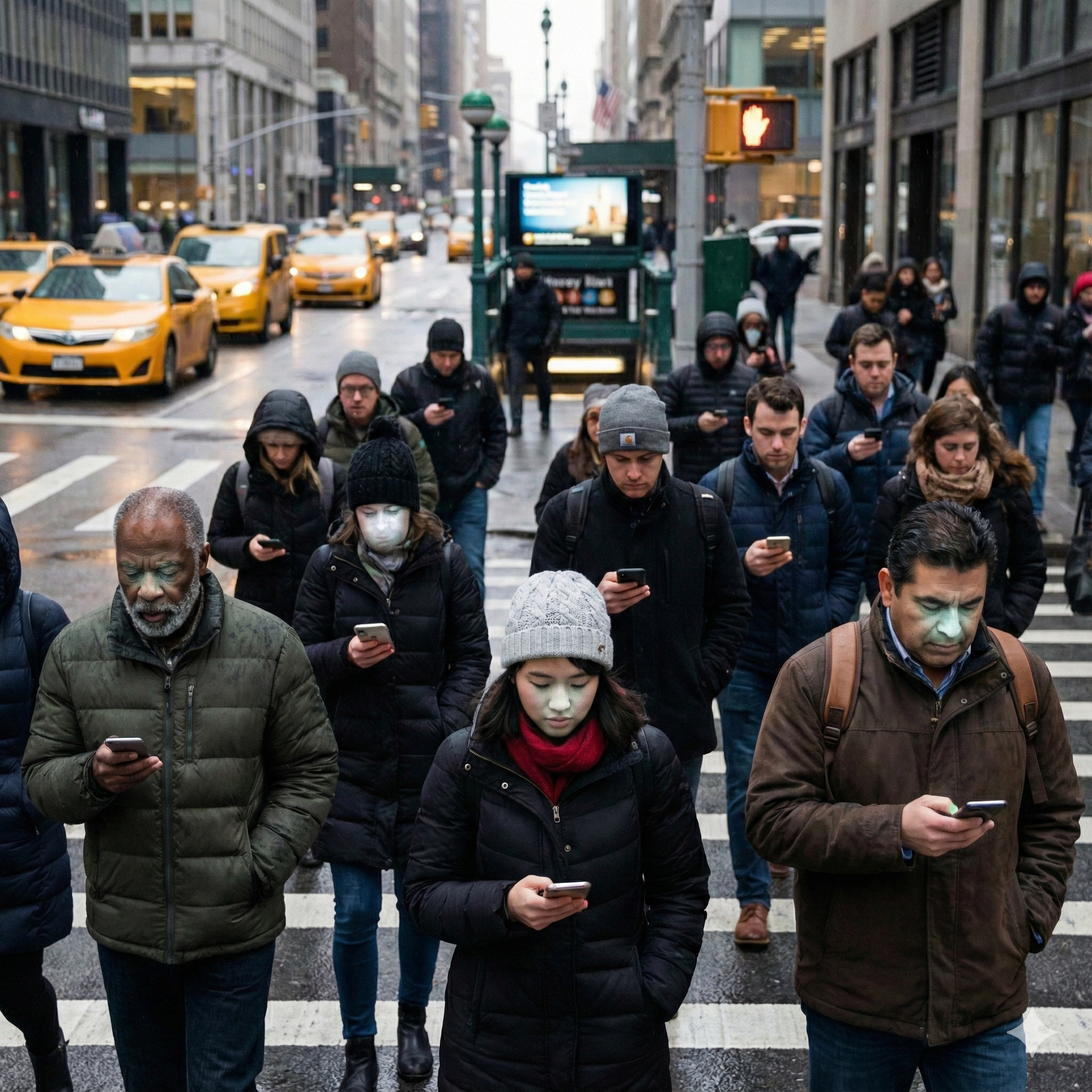
Digital platforms have dominated our daily lives for over a decade. We scroll endlessly through feeds, often feeling drained rather than connected. Recently, however, a shift has occurred in how we interact with these online spaces. Many users are seemingly disappearing from the grid entirely.
Consequently, the conversation about quitting social media is louder than ever. It seems like everyone is announcing their departure. Yet, is this a permanent exit or merely a temporary break?
In reality, total disconnection is rare. Instead, people are adopting a strategy known as digital fasting. This involves logging off for weeks at a time to reset mental health. According to recent data from the Pew Research Center, a significant number of adults take extended breaks from these apps without leaving permanently. Therefore, this approach offers a sustainable balance.
If you are considering this lifestyle change, it helps to understand why the platforms make it so difficult. You can watch this insightful breakdown here:
It explores the nuances of disconnecting and why the algorithm fights for your attention. Furthermore, seeing real-life examples can be motivating.
Check this one out as well What is Wrong with People:
Ultimately, the goal isn’t always deletion. Perhaps we should simply start fasting from these networks. Weeks of silence might be exactly what we need. In conclusion, finding peace is the priority.













Leave a Reply