



The old professional script—résumé inflation, superficial networking events, and the relentless noise of “personal branding”—is exhausting, and frankly, it no longer works. The modern job market, saturated with hustle culture and performance anxiety, doesn’t need more noise; it needs substance.
At Vibe Culture Daily, we believe that genuine success is not achieved through shouting the loudest, but by cultivating an inherent value that speaks for itself. This is the Quiet Climb: a professional philosophy that prioritizes depth, quality, and authenticity over short-term flash and high-volume activity.
The greatest advantage you can build before graduation is Professional Integrity. It is the career equivalent of “Quiet Luxury”: an understated, high-quality approach to your digital presence, your networking, and your professional aesthetic. It’s about ensuring that who you are in the interview room is exactly who you are when the work starts.
This Comprehensive Guide will help you reject the burnout model and build a career foundation that is stable, authentic, and built to last.
The Integrity Audit (Section 1 of 4)

Before you can build, you must assess. The Integrity Audit is the essential first step: defining your professional values and identifying where your personal conduct may create a liability. It’s about moving from compliance (following the rules) to conviction (making choices because they align with your ethics).
Finding Your Core Professional Convictions
In a world that rewards flexibility, your ethics should be the anchor. Professional integrity begins with honesty and accountability. This means:
- Ownership of Errors: Admitting mistakes quickly and focusing on the fix, not the blame.
- Intellectual Honesty: Never misrepresenting your role, contributions, or skills on a project or résumé.
- Respect for Resources: Being a responsible steward of time, money, and tools provided by your university or internship.
Bridging Academic and Professional Life
The lines between school and career are blurring. Your behavior in a study group (being punctual, contributing equally, and offering constructive feedback) should match your behavior in a team meeting. The integrity you display in fulfilling group work commitments today is the professionalism you will display when negotiating a contract tomorrow.
The Professional Aesthetic (Section 2 of 4)
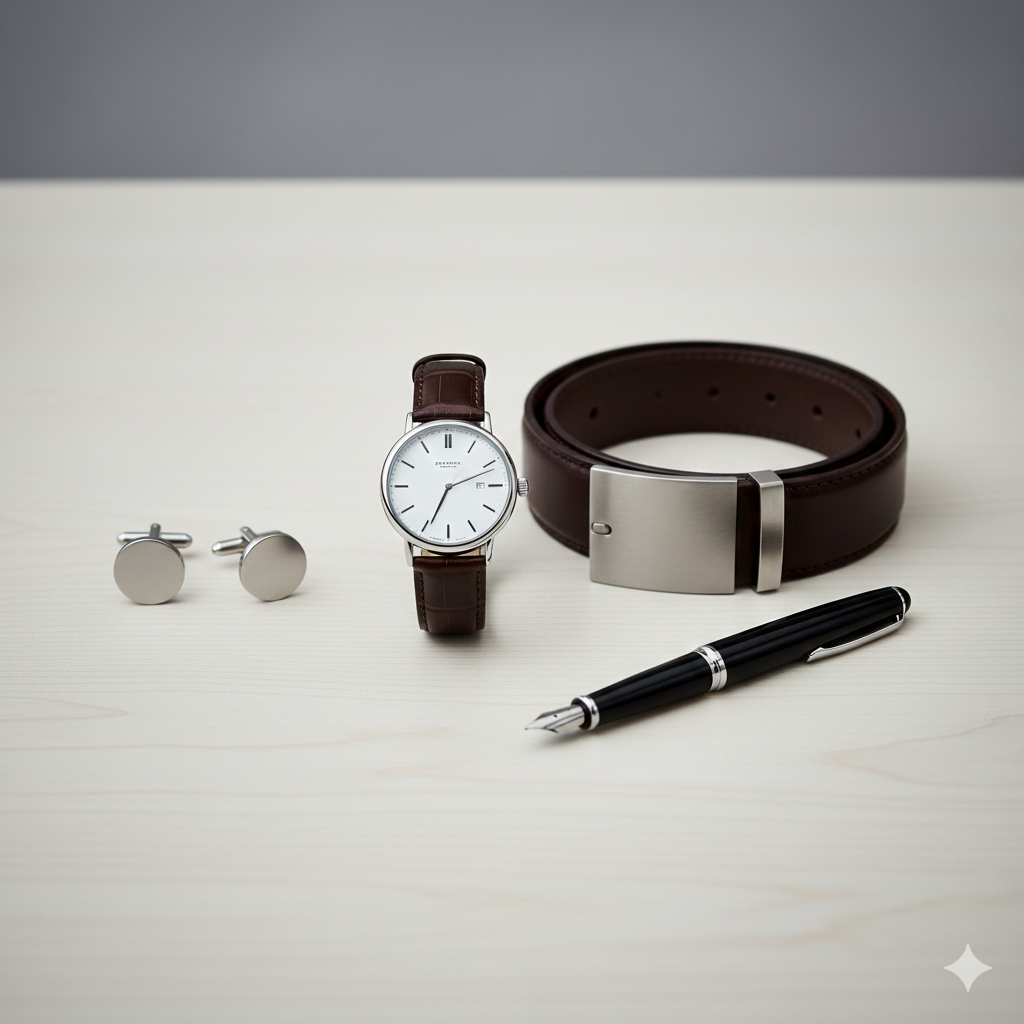
Your professional presence is not a costume; it is an extension of your commitment to quality. This aesthetic is defined by discernment, not dollars.
The Quality over Quantity Rule
Forget the fast-fashion trends and obvious logo-flashing. The professional aesthetic of the Quiet Climb is about investing in a few quality pieces that last and convey respect for the setting. A well-maintained, thrifted wool blazer speaks louder about your values than an expensive, ill-fitting, logo-heavy sweatshirt.
Presentation as Respect
Reliability is a non-negotiable soft skill. Your physical presentation—punctuality, clean attire, and respectful body language—is the first, most visible signal of your reliability and conscientiousness. These are not superficial rules; they demonstrate that you respect the time of others.
To truly master your presence, understand that integrity is communicated silently. The video above shows how mastering your non-verbal cues can instantly boost a hiring manager’s perception of your confidence and focus. This visual demonstration is key to building Quiet Confidence.
Digital Discretion (Section 3 of 4)
The modern professional has two résumés: the PDF and the digital footprint. This section is about curating the second one with the same rigor you apply to the first.
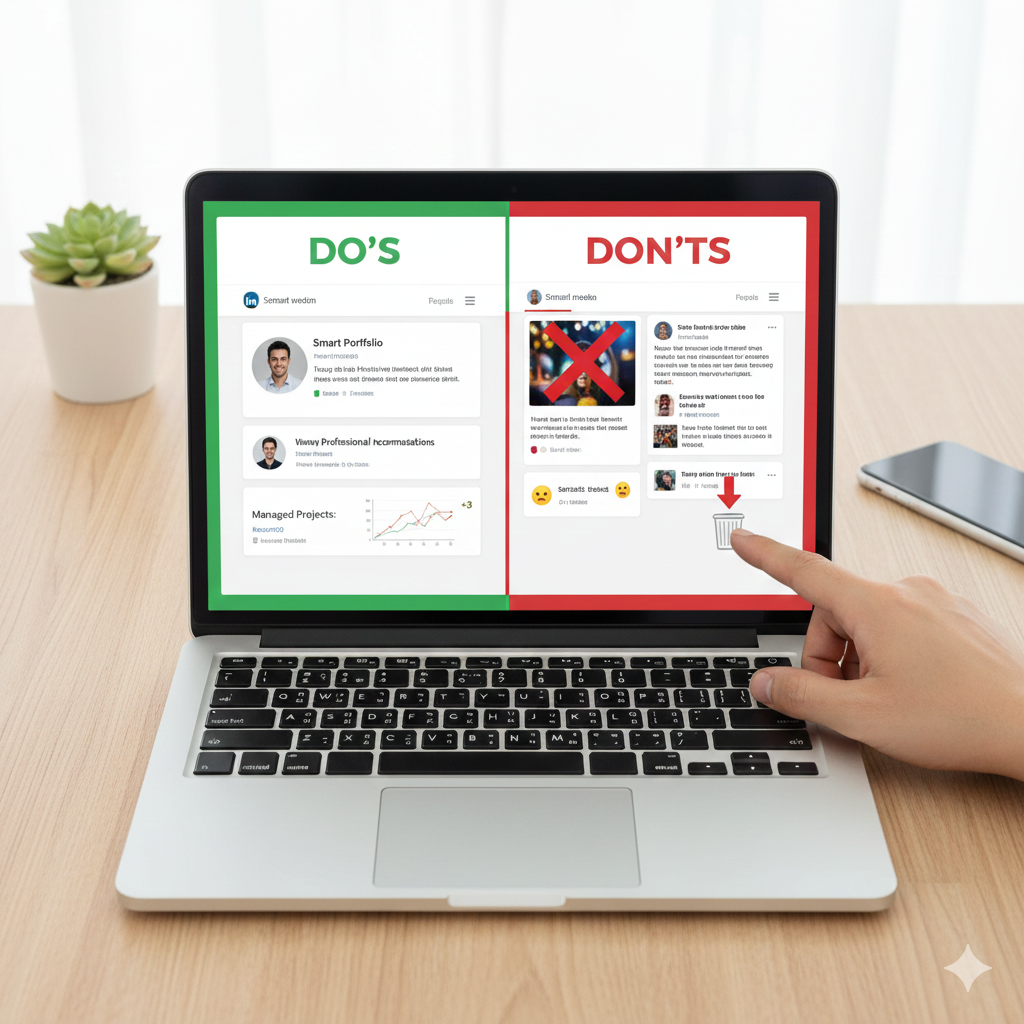
Curating the Professional Vibe
Your online presence must reflect your professional intent. This does not mean deleting your personality; it means creating intentional separation.
- The Portfolio: Your digital portfolio is your new transcript. Use it to showcase tangible evidence of your skills, achievements, and creative problem-solving. Quality outweighs quantity; focus on five top projects rather than a dozen weak ones.
- Social Media Hygiene: Determine a clear value proposition for your professional profiles (LinkedIn, etc.). Ensure your online persona aligns with the integrity and maturity of your career goals.
The Accountability Principle
Every comment, photo, or post is a data point in your professional profile. Understand that irresponsible communication or behavior on social media can compromise your judgment and future opportunities. Treat online interactions with the same respect and ethical behavior you would in a job interview.
Networking on Substance (Section 4 of 4)

The Quiet Climb rejects aggressive, transactional networking in favor of building genuine, long-term relationships.
The Value-Exchange Mentality
Instead of asking “What can this person do for me?”, shift your focus to “What genuine value can I offer or exchange?”
- Active Listening: Demonstrate clarity of thinking by listening attentively and processing information before responding.
- Mentorship: Seek out a mentor who can help you identify learning gaps and navigate professional norms. They serve as a resource to help you gain the soft skills (e.g., communication, time management, adaptability) that are essential for advancement.
The Art of the Follow-Up
Networking success is defined by consistency, not volume. Engage honestly and responsibly. Follow up with relevant, concise communication that reminds the person of the value you discussed—not just the favor you requested. This demonstrates integrity and respect for their time.








Leave a Reply